Why Indoor Cats Want Outside Time—and What to Do About It
Author:Allison
Released:February 5, 2026
You may have seen this before: your cat sitting by the door, staring out the window, then darting the second you open it. It looks stubborn, but it usually points to something simpler: the indoor setup is not giving enough movement, novelty, or control. If you keep asking, “Why does my cat want to go outside so badly?” the answer is often less about rebellion and more about what the cat can see, smell, and do.
Why Cats Want to Go Outside
Cats are drawn to motion, scent, sound, and territory checks. Birds outside the window matter. So do passing people, leaves, insects, and unfamiliar smells. A cat that keeps asking to go out is often reacting to a space that feels active, while the inside feels too predictable.
Some cats are mild about it. Others turn it into a daily campaign. If a cat has spent time outdoors before, the urge can get stronger. They remember the pattern: door opens, new smells appear, things happen.
What Indoor Life Can Miss
A quiet house can feel small to a cat. Same rooms, same smells, same routine. That is fine for some cats and a problem for others. When the only exciting thing is what they can see through glass, frustration builds fast.
That is why window staring often becomes a habit. The cat sees life moving just out of reach. Birds hop. Squirrels run. People pass. The gap between “see it” and “get it” can make the cat more fixed on the door than the rest of the room.

Why Free Roaming Is Risky
Free roaming sounds simple. In practice, it exposes cats to more problems than most owners expect. Traffic is the obvious one. So is getting lost, especially if the cat panics and runs.
Other risks are less visible. Cats can get into fights with other animals. They can pick up fleas, parasites, and infectious diseases. They can step into chemicals, eat garbage, or brush against poisonous plants. They can also get stuck in sheds, garages, or basements without anyone noticing.
Weather matters too. Heat, cold, rain, and dehydration all add risk. Loud dogs, strange noises, and unfamiliar people can turn a curious cat into a frightened one very quickly.
Indoor Alternatives That Feel Closer to Outside
If your cat wants outside time, do not jump straight to free roaming. Start with the indoor version of the same experience.
A cat window perch can give the cat a front-row seat without the danger. Add a climbing tower, shelves, or a vertical route so the cat can move up and down instead of staying on the floor. High spots often calm cats because they can watch the room and the window at the same time.
A catio is the strongest middle ground. It gives fresh air and outdoor sights while keeping the cat enclosed. If a catio is not possible, rotate toys, use food puzzles, and turn feeding into a small hunt. That gives the cat something to do, not just something to look at.
How to Keep Cats Indoors Without a Fight
If you are trying to learn how to keep cats indoors, the key is not force. It is placement, timing, and repetition.
Put the cat’s favorite perch near a window. Put the scratching post near the room they already use. Put the toy basket where you will actually grab from it. Small changes matter more than dramatic ones. A good setup gives the cat an easy choice before it starts asking for the door.
Different Homes Need Different Plans
Apartment cats usually need vertical territory more than anything else. Window access, shelves, and short play bursts can do a lot. If the room feels larger in the vertical direction, the cat often stops acting like the only interesting place is outside.
Cats in houses may have a yard view, which can make the urge stronger. For them, supervised leash time or a secure enclosed outdoor area can help. Former outdoor cats need the slowest adjustment. They are used to a bigger world, so indoor changes need to be gradual and consistent.
Nervous cats need predictability. High-energy cats need more than one outlet. For those cats, combine climbing, chasing, and food puzzles. One activity alone usually is not enough.
How to Reduce the Urge to Escape
Doors become more tempting when they feel like the only exit to excitement. You can reduce that by building a routine around the times your cat gets restless. If your cat always acts up before dinner or in the evening, schedule play before that moment.
Keep doors less “rewarding.” Do not make opening them into a big event. Use a barrier if needed. Place good things away from the exit area so the door is not the center of the room. A cat that expects play, food, or attention somewhere else is less likely to camp at the threshold.
Rotate enrichment items so the house does not go stale. Put out one or two toys, then swap them later. Use different textures, sounds, and movement patterns. Cats get bored with old objects faster than people think.
What Indoor Enrichment Looks Like in Real Life
Indoor enrichment does not need to be fancy. A box with holes can become a hunting game. A shelf near the window can become a lookout post. A feeding puzzle can turn breakfast into a task instead of a bowl.
Interactive play matters too. Short stalking and chasing sessions often work better than long, random play. Move the toy like prey. Pause. Hide it. Bring it back. Cats respond to pattern and timing more than big, dramatic gestures.
When Outdoor Time Can Still Make Sense
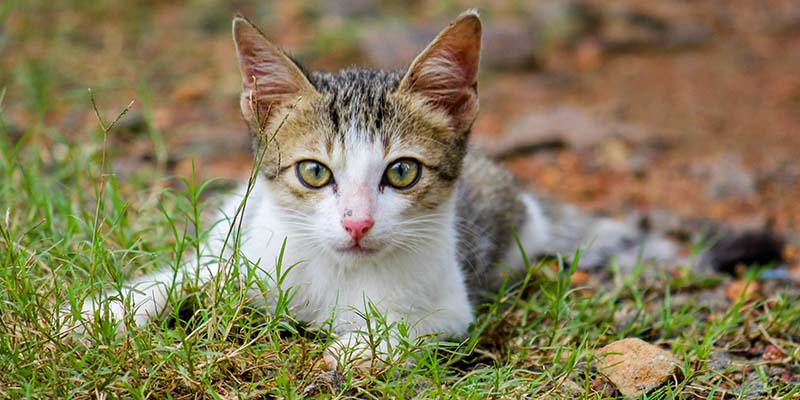
Some cats can handle controlled outdoor time. A calm, healthy, trained cat may do fine on a leash or in an enclosed space. But that decision should match the cat, not just the owner’s wish.
Age, temperament, and environment matter. A confident cat in a quiet area may adapt more easily than a fearful cat in a busy neighborhood. If outdoor time is part of the plan, keep it supervised and limited. The safest choice is usually the one that gives the cat stimulation without creating a rescue problem.
A Few Simple Checks
If your cat keeps trying to go out, ask three questions. Does the cat have enough places to climb? Does the cat get daily interactive play? Does the cat have something interesting near the window? If the answer to any of those is no, start there.
You do not need to fix everything at once. One better perch, one more play session, or one safer view can change the pattern. The goal is not to win an argument at the door. It is to make the inside feel worth staying in.
Related Posts
Cat Purring Meaning: Not Always Happiness, Here's Why

Cat Anxiety Signs At Home And How To Calm Them Naturally

Joint Supplements for Senior Dogs: Benefits and Choices

Vaccinations Schedule for Puppies: What Owners Need to Know

How to Pick Dog Daycare That Actually Works